The Purpose, Practice, and Promise of Self-Care
Why caring for yourself isn’t selfish—and how it allows you to give your best to others.
A daily devotional adapted from The Drive podcast
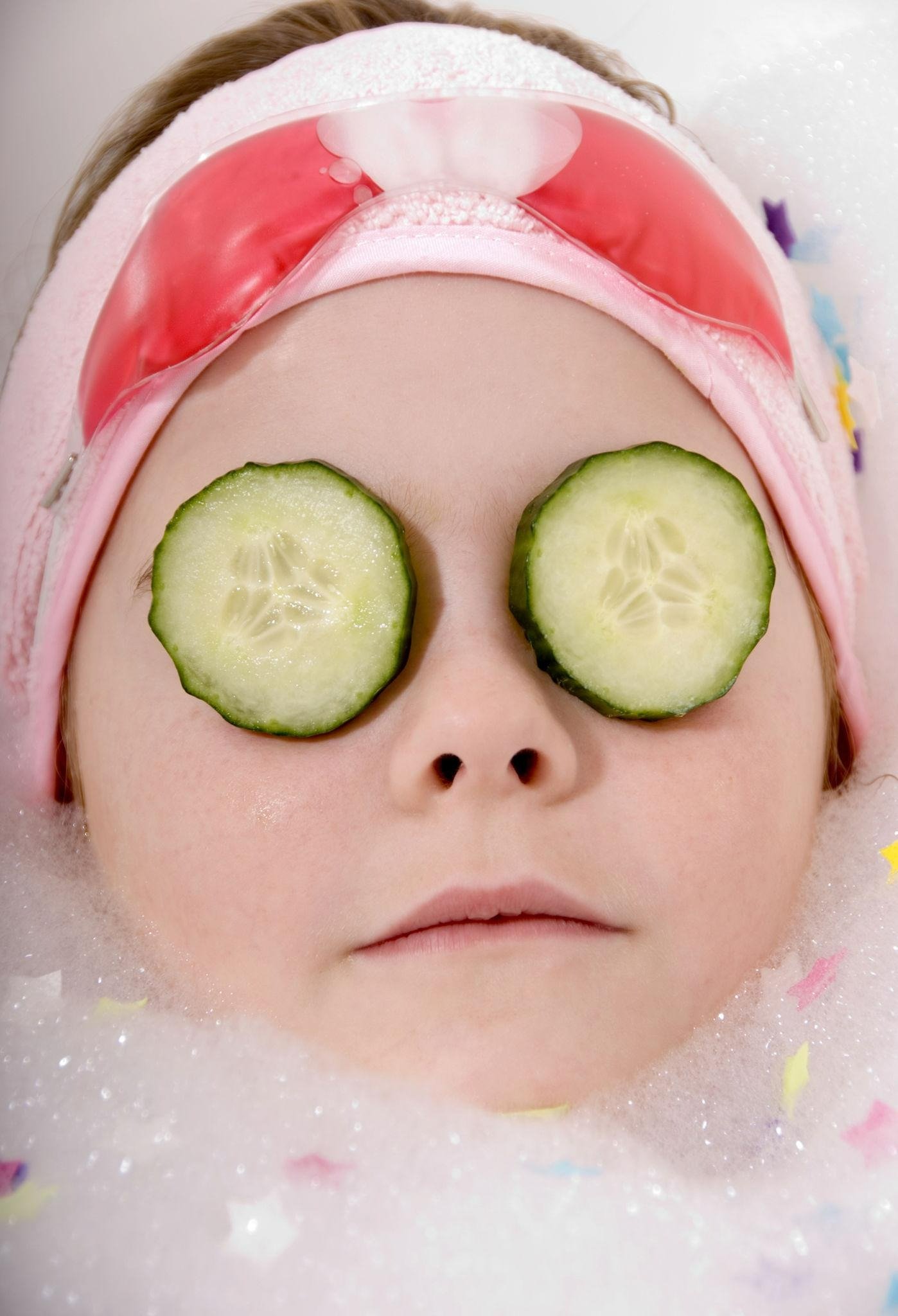
I remember a time when my daughters had a friend over to play. The house was filled with laughter—until suddenly it wasn’t. And as any parent knows, silence can be far more concerning than noise.
I went downstairs to check on them and discovered one of my favorite moments ever captured on camera.
They had made their favorite snack—Ritz crackers with Nutella and bananas—painted each other’s nails and toes, and were now lying on pillows with cucumber slices over their eyes. They were seven and nine years old.
When I asked what they were doing, they replied, “This is just what girls do, Dad!” Then they invited me to join. Before long, all four of us were lying on the floor, nails painted, cucumbers on our eyes—practicing self-care.
Self-care comes naturally to children. God created children to teach us how to be adults. We’re born knowing how to care for ourselves—and then many of us spend the rest of our lives forgetting how.
Somewhere along the way, self-care gets buried under responsibility, pressure, expectations, and even misplaced spiritual ideas that confuse self-care with selfishness.
But they are not the same.
The Oxygen Mask Principle
Every time we board an airplane, we’re taught a powerful truth:
Put your own oxygen mask on first before helping others.
Why? Because if you pass out trying to help everyone else, you’re no help to anyone.
Self-care allows us to give others the best of us—not what’s left of us.
And here’s something important: the most critical time to practice self-care is when life is hardest. When plates feel too full, our instinct is to do more. But exhaustion doesn’t shrink the plate—it breaks it.
Self-care doesn’t remove what’s on your plate.
It strengthens the plate itself.

There’s another truth we often miss:
How we care for ourselves reflects how we feel about ourselves.
When we take care of our needs, we send a powerful message—to ourselves and to our children—that we are worth caring for.
Two Kinds of Self-Care
First: Necessary self-care
These are the basics—sleep, hydration, nutrition, movement, stress management. They aren’t glamorous, but they are foundational. When life feels off balance, it’s often because one of these has been neglected.
Second: Joy-giving self-care
These are the things that make you feel alive. The things you love. The things that fill you independent of serving others.
If you had time just for yourself—what would you do?
If you don’t know the answer yet, that’s okay. That’s an invitation to discover it.
Jesus modeled this perfectly. Though He served tirelessly, He regularly withdrew to be alone—to pray, to rest, to reconnect.
Mary understood this when she chose to sit at the Savior’s feet while Martha was overwhelmed with serving. Christ didn’t rebuke Mary. He honored her choice.
“Mary hath chosen that good part, which shall not be taken away from her.”
The commandment is to love your neighbor as yourself—not instead of yourself.
Today’s Daily Challenge
Today, do something just for you.
Listen to that quiet inner voice and honor what it’s asking for—rest, joy, movement, creativity, stillness, or connection.
Make yourself a priority today.
You’ll discover the promise of self-care is real:
When your cup is full, you have more love, patience, and energy to give.
Thanks for taking a moment to reflect today.
For daily devotionals and episode topics, visit
https://joshdowns.com/daily-devotionals
For gospel-centered lessons designed specifically for teens, explore
https://joshdowns.com/come-follow-me-for-teens