When You Lose Yourself in Someone Else
Love isn’t meant to cost you your identity.

The Shoes That Never Got Tied
I remember helping my daughter learn how to tie her shoes.
At first, it was fun to watch her try.
Messy.
Frustrating.
Slow.
But real.
Then life got busy.
We were always in a hurry… and instead of letting her struggle through it, I started stepping in.
“Here, I’ll do it.”
At first, it felt helpful.
Even good.
I felt needed.
But over time…
Something changed.
She stopped trying.
Instead of learning…
She started depending.
Eventually, she’d just stick her foot out—waiting for me to do what she had once tried to learn herself.
And that moment?
That’s when it hit me.
I hadn’t been helping her.
I had been holding her back.
The Hidden Pattern in Relationships
What happened in that small moment…
Happens in relationships all the time.
It’s called co-dependency.
And it’s more common than most people realize.
As described in the transcript:
“Codependency can be defined as any relationship in which two people become so invested in each other that they can’t function independently anymore.”
Read that again.
Not just close…
Not just connected…
But dependent.
When Love Becomes Entanglement
Co-dependency often looks like love.
But underneath, it’s something else.
It’s when:
your mood depends on someone else
your identity is shaped by another person
your happiness rises and falls based on their behavior
And in many cases…
Both people lose themselves.
One becomes the “fixer.”
The other becomes the “dependent.”
And the cycle continues.
It Doesn’t Just Happen in Relationships
Here’s what makes this even more important:
Co-dependency doesn’t just happen between people.
It can happen with:
a phone
social media
work
approval
validation
Anything that begins to define:
👉 your mood
👉 your identity
👉 your sense of worth
The Truth Most People Miss
Here’s the hard truth:
The problem isn’t the other person.
It’s the pattern.
As taught in the transcript:
“The heart of the definition and recovery from co-dependency… lies in ourselves.”
That’s not blame.
That’s power.
Because if it’s within you…
You can change it.
The Turning Point: Detachment
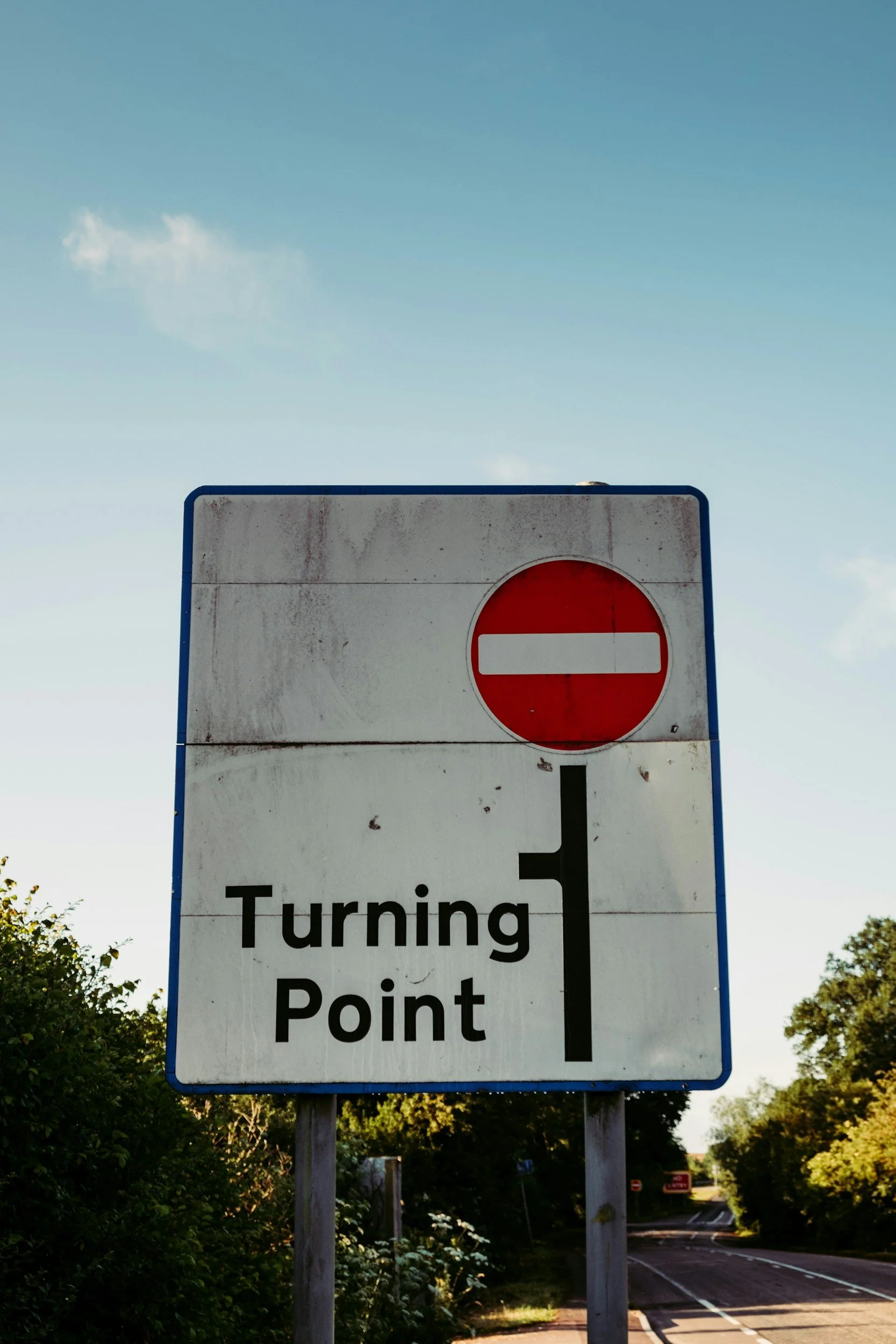
One of the most powerful steps in healing is this:
Detachment.
Not from the person…
But from the unhealthy attachment.
As described:
“Detachment is not detaching from the person… but from the agony of involvement.”
It means:
letting others own their choices
not trying to fix everything
not losing yourself in someone else’s life
The Freedom of Self-Responsibility
Healing from co-dependency starts with this shift:
I am responsible for me.
my choices
my emotions
my growth
my life
That’s not selfish.
That’s healthy.
And when you begin to live that way…
Something incredible happens.
You don’t lose relationships.
You improve them.
The Pattern We Can Follow
Look at the example of Jesus Christ.
He loved deeply.
Served constantly.
But never controlled.
Never manipulated.
Never forced.
He allowed people to choose.
To come.
To go.
To grow.
That’s what healthy love looks like.
Anchoring Quote
“I realized I had gained more than I had lost… Through my experience with co-dependency, I found myself.” — Melody Beattie
Practical Reflection
Take a moment and ask yourself:
Where in my life might I be losing myself?
In a relationship?
In someone else’s approval?
In trying to fix or control something?
Now ask:
Who am I… outside of that?
Today’s Daily Challenge
Take one small step toward independence today:
Let someone solve their own problem
Do something just for you
Set one small boundary
Spend time reconnecting with what you love
You don’t need to change everything.
Just start.
Closing
Love should never cost you who you are.
And the healthiest relationships?
Are built on two whole people…
Not two people holding each other together.
So if you’ve lost yourself…
It’s not too late.
You can find your way back.
And in doing so…
You won’t just change your life.
You’ll transform every relationship in it.
🔗 https://joshdowns.com/daily-devotionals
🔗 https://joshdowns.com/come-follow-me-for-teens